Willow Run
A bomber every 63 minutes.
How Ford, Albert Kahn, and 42,000 workers turned a Michigan farm into the largest factory under one roof on Earth — and built half of America's B-24 Liberators.
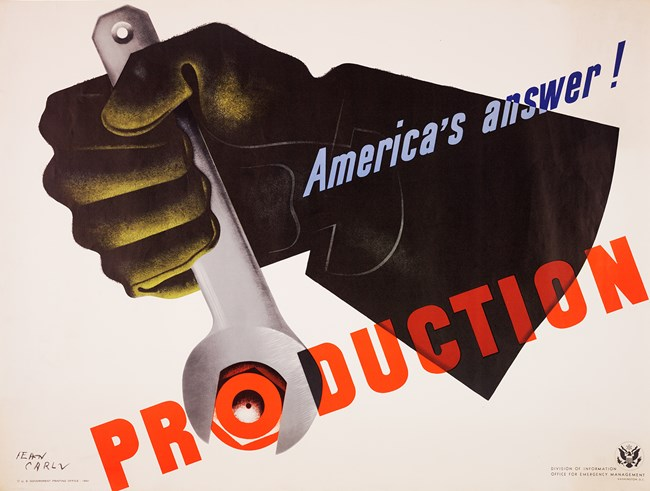
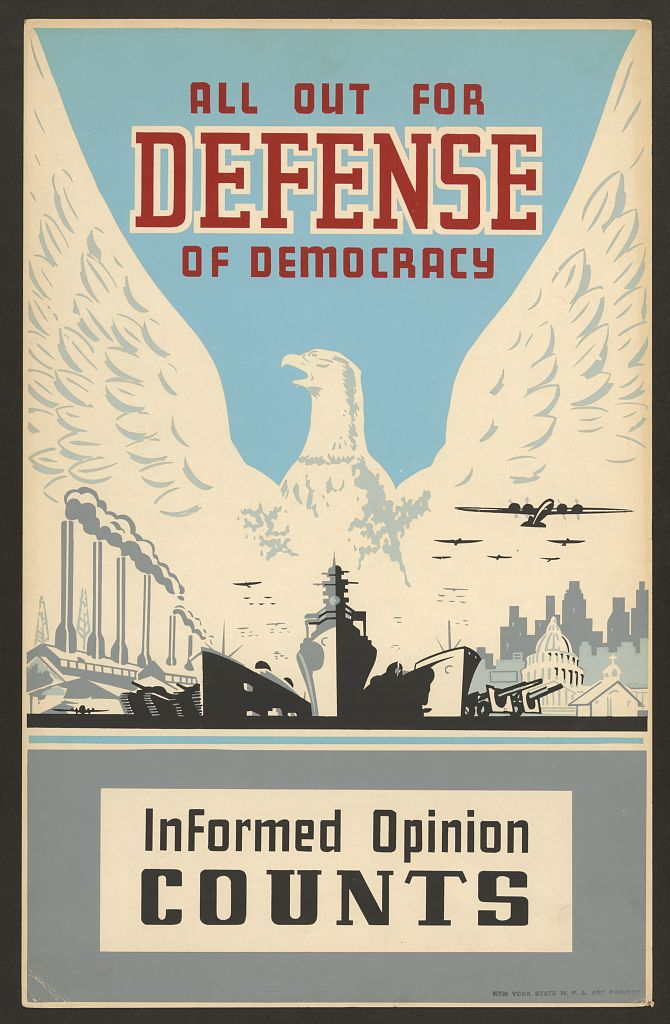
“We shall be the great arsenal of democracy.”
- 3.5M sq ft
- Factory floor, under one roof
- 63 min
- Bomber-off-the-line, at peak (1944)
- 650 / month
- Peak B-24 output at Willow Run
- 8,865+
- Complete + knock-down Liberators from Ford
The plant that ate a farm
In early 1941 the federal government established the Liberator Production Pool Program to meet projected demand for the B-24. Ford Motor Company joined shortly after — and offered not just to build bombers, but to supply the airfield. The old Willow Run farm outside Ypsilanti, Michigan was flat, open, and close to Detroit's machine-tool base. It was an ideal runway.
Architect Albert Kahn designed the main structure. 3,500,000 square feet under one roof. An assembly line over a mile long. A turntable two-thirds of the way down let each B-24 pivot 90° before final assembly — a purely industrial gesture, at aircraft scale. It was the largest factory of any kind, anywhere, at the time.
The bugs
Ford had shied away from aviation since the Trimotor. The company was assigned to ship components; Consolidated Aircraft assembled the finished planes at Fort Worth and Douglas at Tulsa. Remote assembly proved unworkable. In October 1941 Ford received permission to build complete Liberators at Willow Run. It still took nearly a year for the first finished aircraft to leave the factory.
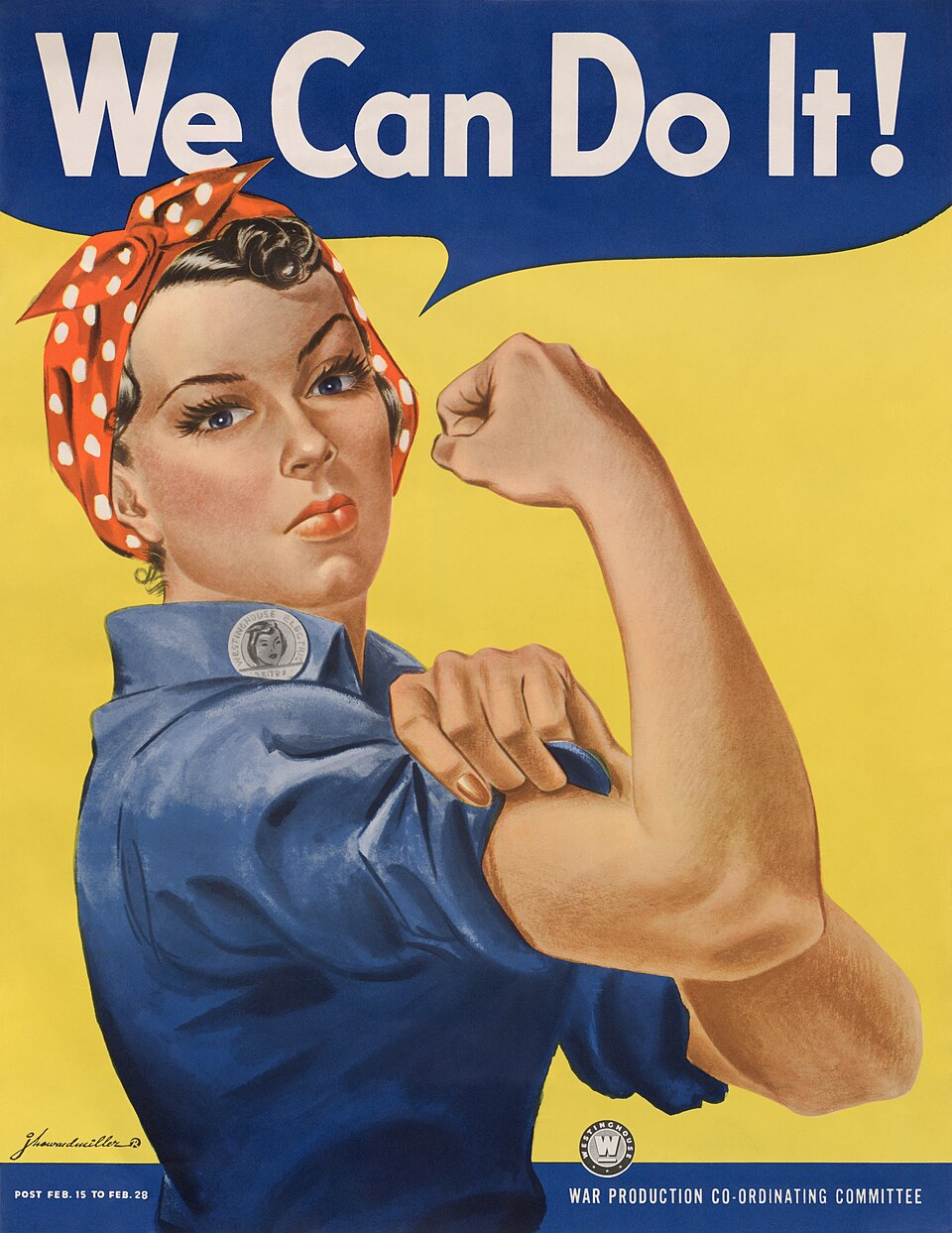
A 1943 Congressional committee issued a highly critical report: Ford had built an aircraft plant that too closely resembled an automobile assembly line, "despite the warning of many experienced aircraftmen." Henry Ford was cantankerous, violently anti-union, and refused on principle to hire women. He eventually relented — probably because so many of his male workers had been drafted — and put Rosie the Riveters on the line.
The rate
By 1944 the bugs were out. Ford rolled a B-24 Liberator off the Willow Run line every 63 minutes, 24 hours a day, seven days a week. At peak: 650 bombers per month. By 1945, Ford was producing 70% of America's B-24s across two nine-hour shifts.
Ford built 6,972 complete Liberators at Willow Run and shipped 1,893 knock-down kits to other assemblers. Half of the 18,000 B-24s ever built. The B-24 remains the most-produced heavy bomber in history.
From the poster wall